

- Home
- Prepare your visit
- Traditional Audioguided Tour for families and individuals
Lavender Museum Luberon
276 Route de Gordes – 84220 Coustellet
T. 04 90 76 91 23
Open 7 days out of 7
Reception hours from April 1 to December 23 2026
April, May : 10 a.m. to 12 a.m. and 2 p.m. to 6 p.m.
June : 10:00 a.m to 6:00 pm non-stop
July : 10:00 a.m. to 7:00 p.m. non-stop
August: 10:00 a.m. to 7:00 p.m. non-stop
September : 10:00 a.m. to 12:00 a.m. and 2:00 p.m. to 6:00 p.m.
October : 10:00 a.m. to 12:00 a.m. and 2:00 p.m. to 6:00 p.m.
November : 10:00 a.m. to 12:00 a.m. and 2:00 p.m. to 6:00 p.m.
December: 10:00 a.m. to 12:00 a.m. and 2:00 p.m. to 6:00 p.m.
Last entrance to the museum 1 hour before closing
Lavender Museum Luberon
276 Route de Gordes – 84220 Coustellet
T. 04 90 76 91 23
Free Parking
- Free parking
- Open Wifi
- Pic nic area on site
- Access possible for visitors with disabilities
- Bike shed with bike tools
- Accepted means of payment : Visa, Mastercard, Amex, Cash
- Dogs may be accepted upon request
- ZOU! Bus stop lines 907 and 917 in front of the museum
Adults : 8€
Children : 7€
Retirees : 7€
Children between 11 and 16 years old : 4€
Children under 11: Free
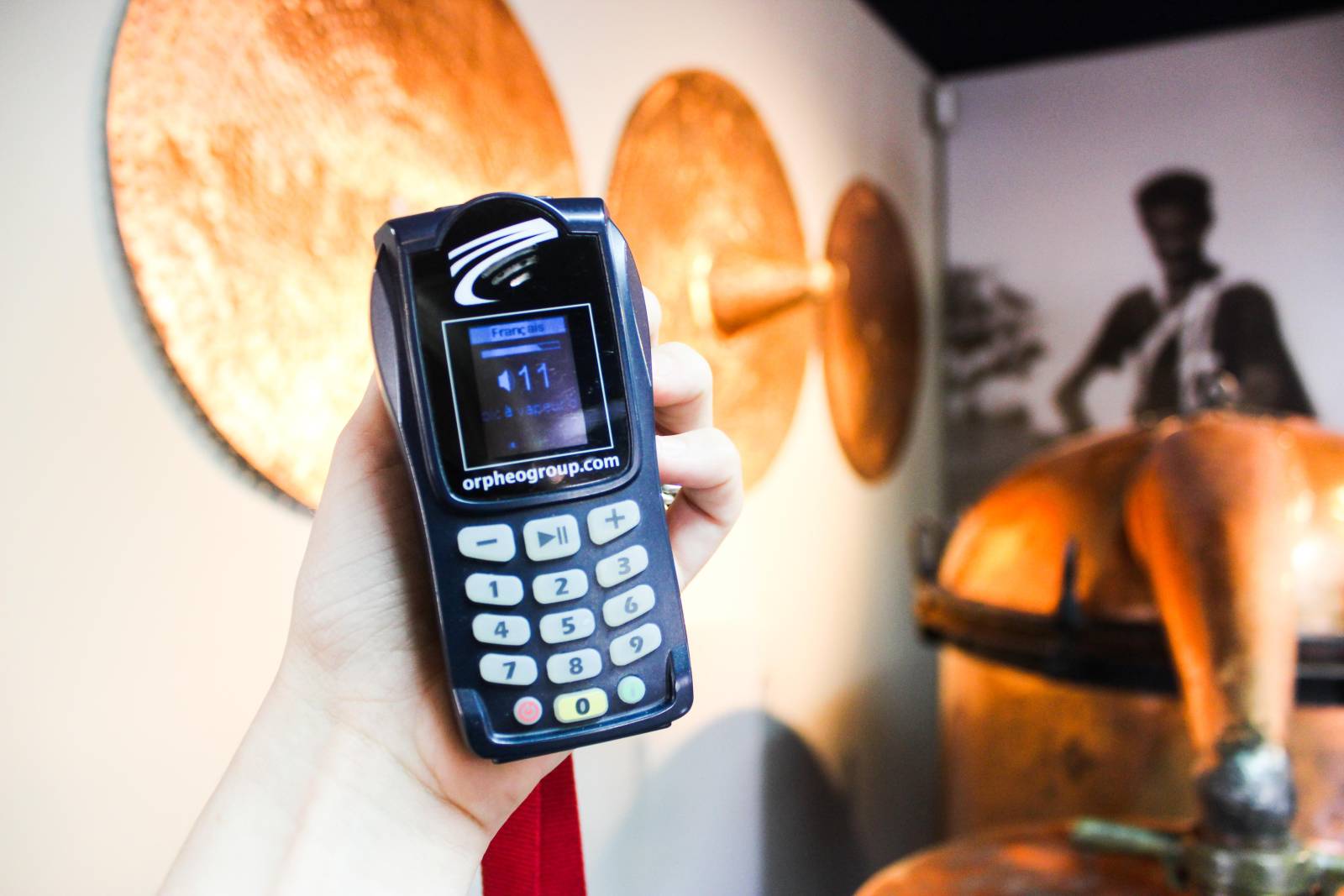
*Audio guide included available in 10 languages (French, English, German, Italian, Spanish, Portuguese, Dutch, Czech, Mandarin, Russian)
-----------------------------------------
Pricing for groups, guided tour :
Groups 9-14 visitors : 120€ flat fee
Groups +15 visitors : 7€ /person with 1 free every 20 tickets.
Tour leaders and drivers have free ticket
Traditional Audioguided Tour for families and individuals
Individual traditional visit with an audio guide:
Botanical explanations in the entrance
From the welcome, each visitor is taken care of to get all the explanations for a well-paced and independent visit. With the informative brochure and audio guide (available in 10 languages : in hand (children receive a quiz), the visitor follows the explanations of the museum's specialist guide who explains the botanical differences between fine lavender, spike lavender, and the hybrid "lavandin".
Movie time, harvest and distillation
In the projection room, a beautiful documentary filmed at the Lavandicole Estate Le Château du Bois allows visitors to follow the summer lavender harvest, from cutting to distillation, to obtain the most precious of essential oils (duration 10 minutes).
Exposition room with the audio visit
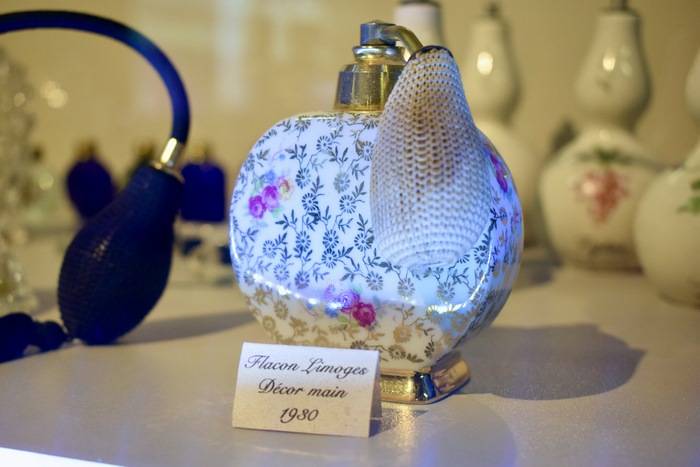
In the exhibition room with the most beautiful collection pieces, the audioguide provides 25 explanatory points. Visitors discover the history of fine lavender from the 16th century to the present day. Thanks to the museography, the traditional work of cutting and distillation is highlighted to explain the evolution of needs and uses of fine Provence Lavender.
Sensory discovery of fine lavender oil, perfumes and cosmetics in the museum's shop
At the end of the visit, each visitor can smell and try our fine lavender essential oil, niche perfumes, and organic cosmetics.
The guide's explanations about the manufacturing and their advice on the uses reveal the virtues of fine lavender and Provencal plants. Tasting of herbal tea in the shop. Children correct their quiz with the team and are awarded the diploma of young lavender farmer.
Tradition guided tours for families and individuals
Traditional Guided Tour Traditional guided tour for families and individual visitors:
Welcome and botanical explanations
The group is welcomed and given an informative brochure. With the museum's expert guide, visitors learn about the botanical differences between the wild and endemic lavenders of Provence and the hybrids, "lavandins". Depending on the season and organization, this first botanical part may take place in the museum's gardens.
Movie time, harvest and distillation
In the projection room, a beautiful documentary filmed on our lavender farm Le Château du Bois follows the summer harvest of lavender, from cutting to distillation, to obtain the most precious of essential oils.
A real 64-seat projection room with a large screen immerses visitors in the world of Provence lavender.
Guided visit of the exposition room
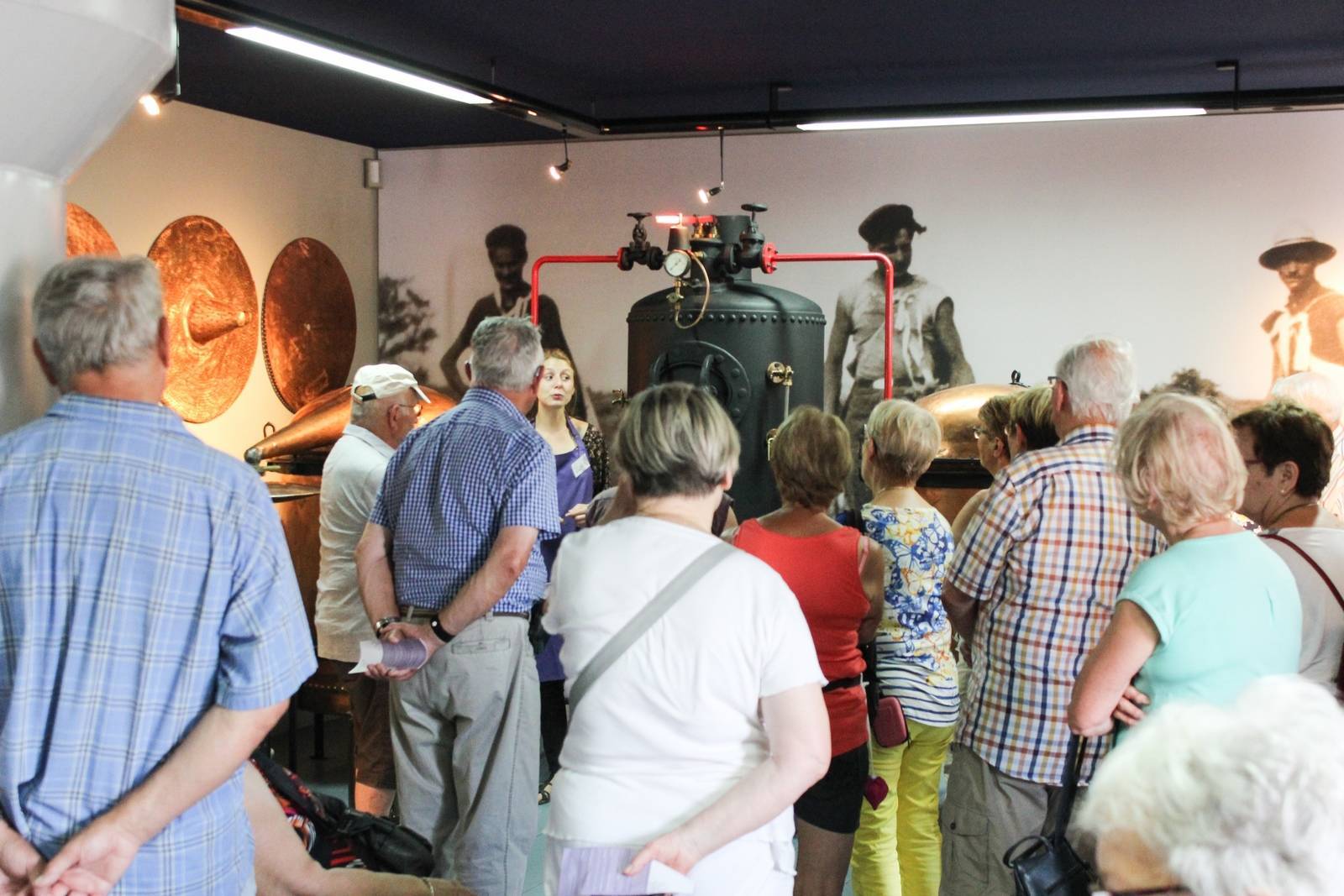
In the exhibition room with the most beautiful collection pieces, the guide recounts the history of fine lavender from the 16th century to the present day. Thanks to museography, visitors discover the traditional work of cutting and distillation, and the evolution of needs and uses of fine Provence Lavender. Throughout the visit, visitors ask questions and engage with the guide in a friendly manner during the three stops at the collection pieces.
Sensory discovery of fine lavender oil, perfumes and cosmetics in the museum's shop
At the end of the visit, each visitor can smell and try our fine lavender essential oil, niche perfumes, and organic cosmetics.
The guide's explanations about the manufacturing and their advice on the uses reveal the virtues of fine lavender and Provencal plants. Tasting of herbal tea in the shop. Children correct their quiz with the team and are awarded the diploma of young lavender farmer.
Tradition guided tour / visit for groups, organized travel and schools
Guided Tour for Groups Traditional guided tour for groups:
Welcome of the group and botanical explanations
The group is welcomed and given an informative brochure. With the museum's expert guide, visitors learn about the botanical differences between the wild and endemic lavenders of Provence and the hybrids "lavandins". Depending on the season and organization, this first botanical part may take place in the museum's gardens.
Movie time, harvest and distillation
In the projection room, a beautiful documentary filmed at the Lavandicole Estate Le Château du Bois allows visitors to follow the summer harvest of lavender, from cutting to distillation, to obtain the most precious of essential oils.
A real projection room with 64 seats and a large screen immerses visitors in the world of Provence lavender.
Guided visit of the exposition room
In the exhibition room with the most beautiful collection pieces, the guide recounts the history of fine lavender from the 16th century to the present day. Thanks to museography, visitors discover the traditional work of cutting and distillation, and the evolution of needs and uses of fine Provence Lavender. Throughout the visit, visitors ask questions and engage with the guide in a friendly manner during the three stops "beautiful history of lavender in Provence", "Alcohol distillation", "bees heritage" and "original anecdotes from Provence".
At the end of the visit, each visitor can smell and try our fine lavender essential oil, niche perfumes, and organic cosmetics.
The guide's explanations about the manufacturing and their advice on the uses reveal the virtues of fine lavender and Provencal plants. Tasting of herbal tea in the shop. Children correct their quiz with the team and are awarded the diploma of young lavender farmer.
Guided Tour for School Groups - Children and Adolescents
The welcome and visit for school groups is similar in all respects to the visits for other groups. The discourse is adapted for younger audiences, aiming to facilitate understanding with the use of analogies. The guide will focus their discourse on anecdotes and folklore surrounding the visit, rather than on the technical aspects of botany and distillation.